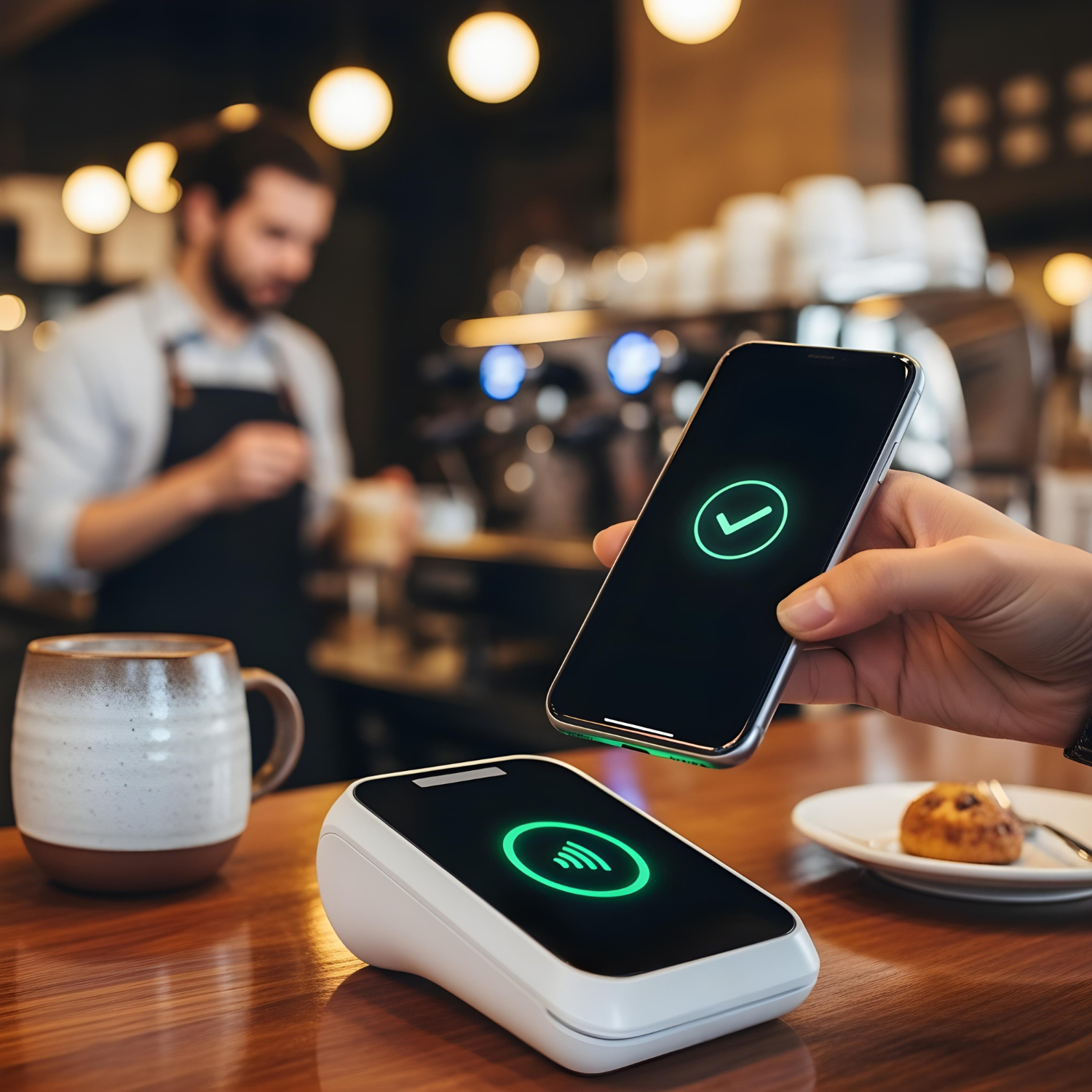
Let’s be honest for a moment. When was the last time you actually carried cash? For many of us, the wallet in our pocket is slowly becoming lighter — not because we’re spending less, but because we’re relying more on digital payments.
From buying groceries to paying utility bills, everything can now be done through a fully digital payment wallet. It feels fast. It feels modern. It feels convenient. But is switching completely to a digital wallet really the smartest move?
Let’s talk about it — like we’re having a real conversation.
“A fully digital payment wallet gives you speed, but financial awareness gives you control.”
The Pros of Switching to a Fully Digital Payment Wallet
1. Convenience Like Never Before
The biggest advantage of a fully digital payment wallet is simple: convenience.
No more searching for change.
No more worrying about carrying exact cash.
No more standing in long ATM lines.
You just tap, scan, or click — and you’re done. Whether you’re ordering food online or splitting a restaurant bill with friends, payments take seconds. It makes everyday transactions feel effortless.
In a world that values speed, digital wallets fit perfectly.
2. Better Expense Tracking
Be honest — how often do you forget where your cash went?
With a fully digital payment wallet, every transaction is recorded automatically. You can open the app and instantly see where your money is going. Groceries, subscriptions, shopping, travel — it’s all categorized.
This level of transparency helps you budget better. You become more aware of your spending habits. And awareness is the first step toward financial control.
For people trying to manage monthly expenses, this is a game-changer.
3. Increased Security (In Some Ways)
Carrying large amounts of cash comes with obvious risks. If you lose it, it’s gone. No recovery. No refund.
A fully digital payment wallet offers password protection, biometric authentication, and even fraud alerts. If your phone gets stolen, you can block your wallet remotely.
Compared to physical cash, that’s a major upgrade in safety.
Plus, many digital wallets use encryption technology that keeps your financial data secure during transactions.
4. Rewards, Cashback & Offers
Let’s not ignore the fun part.
Digital wallets often provide cashback, reward points, discount coupons, and special deals. These incentives make everyday payments feel slightly more rewarding.
When you use a fully digital payment wallet, you’re often getting small benefits that cash simply doesn’t offer.
Over time, those small savings add up.
The Cons of Switching to a Fully Digital Payment Wallet
Now let’s slow down. Because while everything sounds great so far, there are some important downsides to consider.
1. Dependence on Technology
What happens when your phone battery dies?
What happens when there’s no internet connection?
A fully digital payment wallet depends completely on technology. If servers are down or your device malfunctions, you may find yourself unable to make a payment.
Cash, on the other hand, doesn’t need Wi-Fi or charging.
In emergencies, that difference matters.
2. Cybersecurity Risks
While digital wallets are secure, they are not completely immune to hacking or phishing scams.
Cybercriminals are constantly evolving. If someone gains access to your account due to weak passwords or fraud attempts, you could face financial loss.
Switching to a fully digital payment wallet means you must stay alert — use strong passwords, enable two-factor authentication, and avoid suspicious links.
Digital convenience requires digital responsibility.3. Privacy Concerns
Every digital transaction leaves a data trail.
Your purchases, your locations, your spending habits — everything is recorded somewhere. For some people, this level of data tracking feels uncomfortable.
A fully digital payment wallet offers convenience, but it also reduces anonymity. Cash transactions, in comparison, leave no digital footprint.
If privacy is important to you, this is something to think about carefully.
4. Overspending Becomes Easier
Here’s something most people don’t realize: digital payments feel less “real.”
When you hand over physical cash, you feel the money leaving your hands. When you tap a screen, that emotional connection disappears.
A fully digital payment wallet can sometimes make spending too easy. With one-click payments and saved cards, impulse buying increases.
And that can quietly hurt your savings goals.
So, Should You Go Fully Digital?
Here’s the truth — it doesn’t have to be all or nothing.
Switching completely to a fully digital payment wallet offers incredible convenience, smarter tracking, and improved security features. But it also comes with risks related to technology, privacy, and overspending.
The smartest approach for many people is balance.
Use your digital wallet for daily convenience. Keep a small amount of emergency cash. Stay aware of cybersecurity practices. Monitor your spending habits.
The world is clearly moving toward cashless systems. Digital payments are becoming the norm, not the exception. But the key is making technology work for you — not becoming dependent on it.